Hyundai i20 II (GB)built 2015 to 2020Example photo of the model, not a car for sale Of the i20s built in 2020, 88% are this generation (RDW type codes).
Median asking price adverts €13,720 Most adverts ask €11,908 to €15,205
Median mileage 91,440 km
For sale 22
Gearbox Manual or automatic
Body Hatchback
RDW 6-speed manual€21,042 when new 2 recall campaigns 2 with a fire or accident risk
Value and price
Asking prices, not sale prices.Expected prices follow this model's price curve for a car driven 15,000 km a year.
Median asking price€13,720
Most adverts ask€11,908 to €15,205
Against the price when new65% of its median list price when new (€21,042)
What it costs to own
Your own use per 100 km
Counted for the coming year, 15,000 km a year, every province.
€329 to €333 a month without insurance€3,950 to €4,000 a year€0.26 to €0.27 a km
Insurance is not in this figure.
The coming year
Value loss€1,260
Fuel€2,110
Road tax€580 to €632€145 to €158 per 3 months
In 5 years: value loss €5,610, worth €8,110 then.
Not counted: insurance, upkeep and repairs, interest and parking. Value loss: the price you pay minus what cars like it ask at the end, by our price model of 163,374 adverts, at your odometer and kilometres a year. Selling to a dealer brings less than an asking price. Use: 5.8 litres per 100 km as registered (WLTP), counted as 6.7 litres per 100 km: cars use about 15% more on the road than registered (TNO, 2025). Fuel at €2.10 a litre, the average pump price of 23 Nov 2026 (CBS). Fuel and electricity are counted at today's prices in every year. Road tax: the tax office's tariff of 2026 for every 3 months from today; later tariffs are not set yet. An electric car pays 70% of the tariff up to 2028, 75% in 2029 and all of it from 2030.
Road tax
Belastingdienst
Road tax
€48 to €53 a month€145 to €158 per 3 months€580 to €632 a yearlowest in Noord-Holland, highest in Zuid-Holland
74 kW (101 hp), 1,060 kg 100% of the registered cars€48 to €53 a month
Per province
Province
A month
Per 3 months
Drenthe
€50
€151
Flevoland
€49
€147
Friesland
€50
€151
Gelderland
€52
€155
Groningen
€51
€153
Limburg
€50
€149
Noord-Brabant
€49
€148
Noord-Holland
€48
€145
Overijssel
€49
€146
Utrecht
€49
€148
Zeeland
€49
€147
Zuid-Holland
€53
€158
Each version of this model, build year and fuel in the RDW register, at the average empty weight of its cars plus 100 kg: the tariff counts the mass ready to drive. One car can fall a weight class higher or lower. The tax office's tariff for 2026, the province's surcharge included (read on 15 Nov 2026, checked against its own calculator). Charged per 3 months; by direct debit a third of that each month. The tax office's calculator
What these 28 cars are
101 hp74 kW1.0 l 3-cyl22 cars6-speed manual (RDW) €13,720 most €11,908 to €15,205 loses about €1,380 a year
84 hp62 kW1.2 l4 cars5-speed manual (RDW) €13,372 loses about €1,340 a year
Other versions, 2 cars: 75 hp (1 car), 120 hp (1 car).
Trim levels the adverts name
Comfort17 cars€13,940
Premium5 cars€13,880
i-Motion2 cars€12,372
Versions registered in the Netherlands Price when new: the Dutch list price with options and taxes.
What the adverts list. An advert that does not list an option may still have it, and a model-year holds several trim levels: check the car you look at.
Per 100 registered cars, against the average car of the same age on the same inspection schedule. Model faults leave out upkeep (tyres, bulbs, wipers, damage); the APK shows what the inspector found, not breakdowns or what was fixed before.
Hyundai i20 Petrol Average for cars of that age Model faults per 100 cars by build year
Build year
This model
Average for its age
Registered cars
2011
118.7
106.4
3,441
2012
95.6
90.7
4,268
2013
82.1
72.5
2,894
2014
75.2
62.7
2,681
2015
51.0
51.7
3,253
2016
32.3
40.0
2,664
2017
25.9
26.4
2,567
2018
13.4
17.4
2,689
2019
8.5
8.8
2,461
2020
9.3
8.1
1,086
2021
4.7
4.0
659
Hyundai i20 Petrol Average for cars of that age Defects per 100 cars by build year
Build year
This model
Average for its age
Registered cars
2011
394.4
349.3
3,441
2012
367.7
310.1
4,268
2013
335.8
271.2
2,894
2014
310.7
245.1
2,681
2015
221.6
218.3
3,253
2016
168.0
179.7
2,664
2017
132.5
135.8
2,567
2018
105.3
101.4
2,689
2019
75.7
69.8
2,461
2020
67.4
65.8
1,086
2021
32.3
38.0
659
Cars built in 2020: 9.3 model faults per 100 cars, where cars of that age average 8.1 (15% more). All defects including upkeep: 67.4 per 100 cars (average 65.8). 1,086 registered cars.
Slijtage/beschadiging wiellager hoorbaar of voelbaar 0.5
Upkeep items (not counted in reliability)
Bandenspanning niet op juiste waarde tyres12.5
Dimlicht onjuist afgesteld headlight aim8.8
Band onvoldoende profiel tyres6.7
Ruitenwisserinstallatie geeft onvoldoende zicht wipers and washers6.3
Recalls
RDW all versions
RDW's recall campaigns for this model that cover cars built in this year. The texts are RDW's own, in Dutch. Ask whether a car had the fix.
Brakes15 Jun 2026accident riskDe vacu�mslang van de rembekrachtiger kan mogelijk scheuren doordat deze onder spanning is gemonteerd. Built 2015 to 2021, not all fixed yet
Electrics7 Jan 2021accident riskDe eCall-eenheid zendt mogelijk geen VIN-informatie naar het eCall-systeem, wanneer een airbag geactiveerd wordt. Built 2020 to 2022, not all fixed yet
Why it scores 59.0
Each bar: better than how many percent of the cars that cost about the same.
Value in 5 years45%keeps 50%, loses about €1,380 a year57
Faults in 5 years40%about 0.6 APK faults per car by then66
Mileage for its age15%91,440 km, normal for 202049
How sure best estimate 59.0 The score is 59.0: our best estimate 59.0, moved toward the middle of all cars by how unsure it is. A car we know well keeps its estimate; one we know less about moves toward the middle, up or down.
Similar cars
Petrol hatchback of 2019 to 2021, within 15% of this price and 10% of this weight, best score first.
Toyota Yaris2020PetrolManual or automaticmedian €14,87372.5good
Mazda 22020PetrolManual or automaticmedian €14,27568.4good
Kia Rio2020PetrolManual or automaticmedian €13,95063.3good
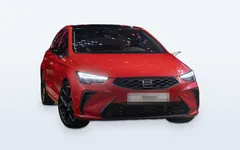
Hyundai i202020this carmedian €13,72059.0fair
SEAT Ibiza2020PetrolManual or automaticmedian €13,43954.6fair
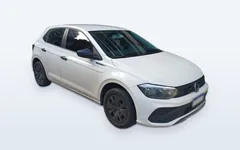
Volkswagen Polo2020PetrolManual or automaticmedian €14,92348.2fair
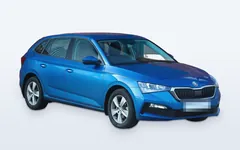
Skoda Scala2020PetrolManual or automaticmedian €13,95044.4fair
As good or better, for less The same kind of car for at most 90% of this price, scoring at most 2 points lower, or higher.
Peugeot 2082019PetrolManual or automaticmedian €8,90058.5fair
Citroen C32019PetrolManual or automaticmedian €9,44565.4good
Skoda Rapid2019PetrolManual or automaticmedian €9,75071.6good
Spec sheet
RDW
The list price when new is the Dutch price with options and taxes.
Engine power
74 kW (101 hp)
Engine size
1.0 l
Cylinders
3
Empty weight
1,060 kg
CO₂ (type approval)
131 g/km
Fuel use (type approval)
5.8 l/100 km
Towing, braked trailer
1,110 kg
List price when new
€21,042 median, most €19,542 to €22,632
Length and width
4.04 m long, 1.73 m wide, without mirrors
The maker's figures, as the adverts state them adverts
Torque
172 Nm
Top speed
188 km/h
Boot
326 l, 1,042 l with the back seats folded
What the adverts say
adverts all versions
Full service history (16 of 28 adverts)yes in 25%
Colour (28 of 28 adverts)White 29%Grey 25%Red 25%Silver 11%Blue 7%
Body (28 of 28 adverts)Hatchback 100%
Driven wheels (27 of 28 adverts)Front-wheel drive 100%
First registered (27 of 28 adverts)in the Netherlands 59%abroad 41%
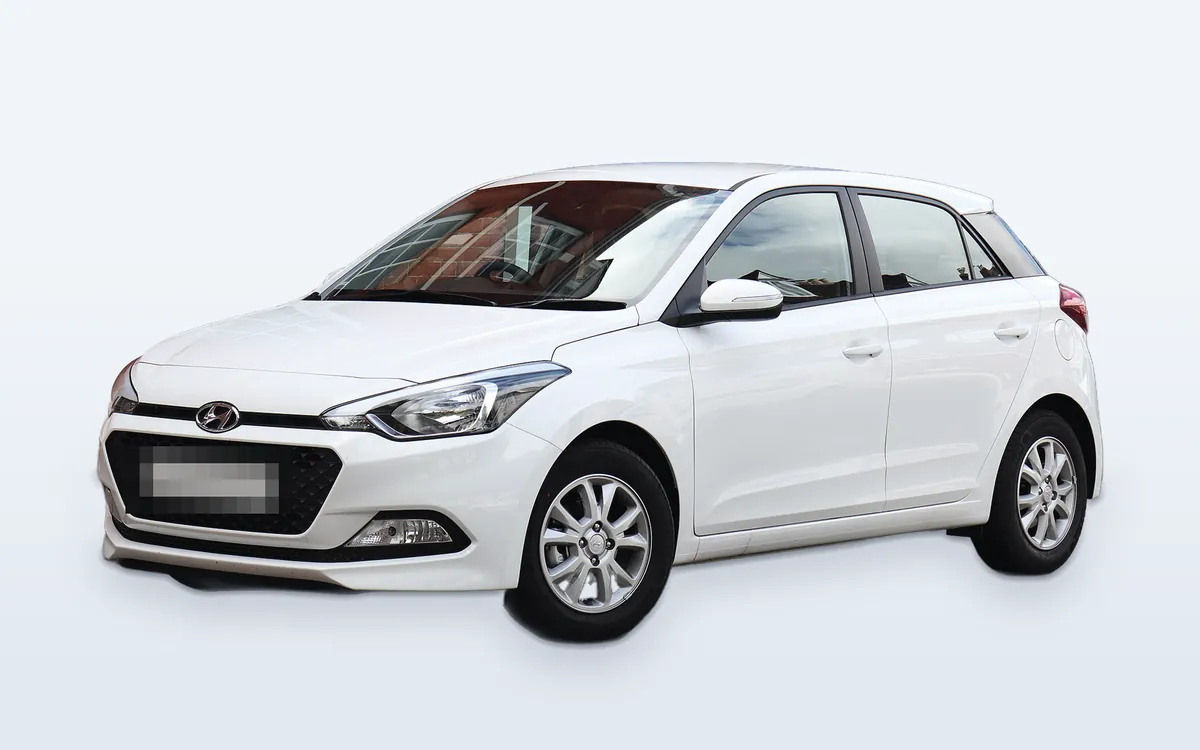



 Hyundai i20 2020this car median €13,720 59.0fair